Young children often get confused at the piano and can’t remember where the notes are because they get lost in the sea of white keys. Of course as piano teachers we always direct them to look for the black key patterns of 2 and 3, so while reading a post from Sheryl Welles at Notable Music Studio I got an idea for this simple keyboard patterning game. It is great to use at a first piano lesson.
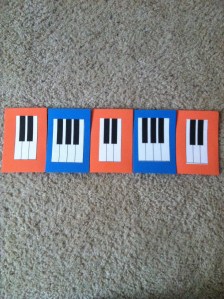
What you need:
Foam Sheets in 2 different colors (purchase at a craft store or a dollar store)
Piano Keyboard Printable (enough for 3-4 octaves)
Glue
Timer
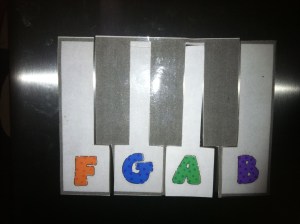
The cards will look like this:
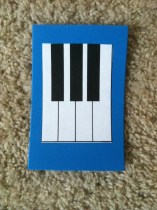
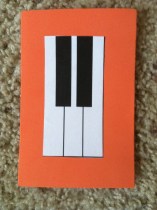
To Play:
After introducing the student to the 2 and 3 black key groups on the piano, use this quick game to test their understanding. Have them line up the cards in a keyboard pattern. Time them and see how fast they can do it!
To extend the learning, have them make a set to take home. At home they can teach younger siblings or parents the keyboard pattern!


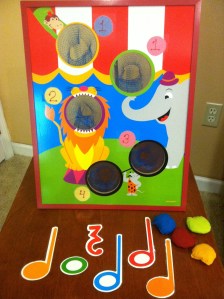 Summer is a great time to play even more games in the music studio. If you teach piano during the summer, you know that the absence of a set daily routine such as the one kids have during the school year makes it a little more difficult for them to focus during lessons. That doesn’t mean that the music learning has to suffer! This Rhythm Toss game is perfect to get them up and moving in the name of music!

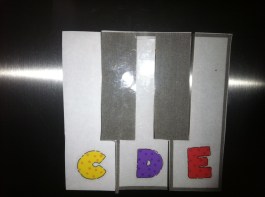
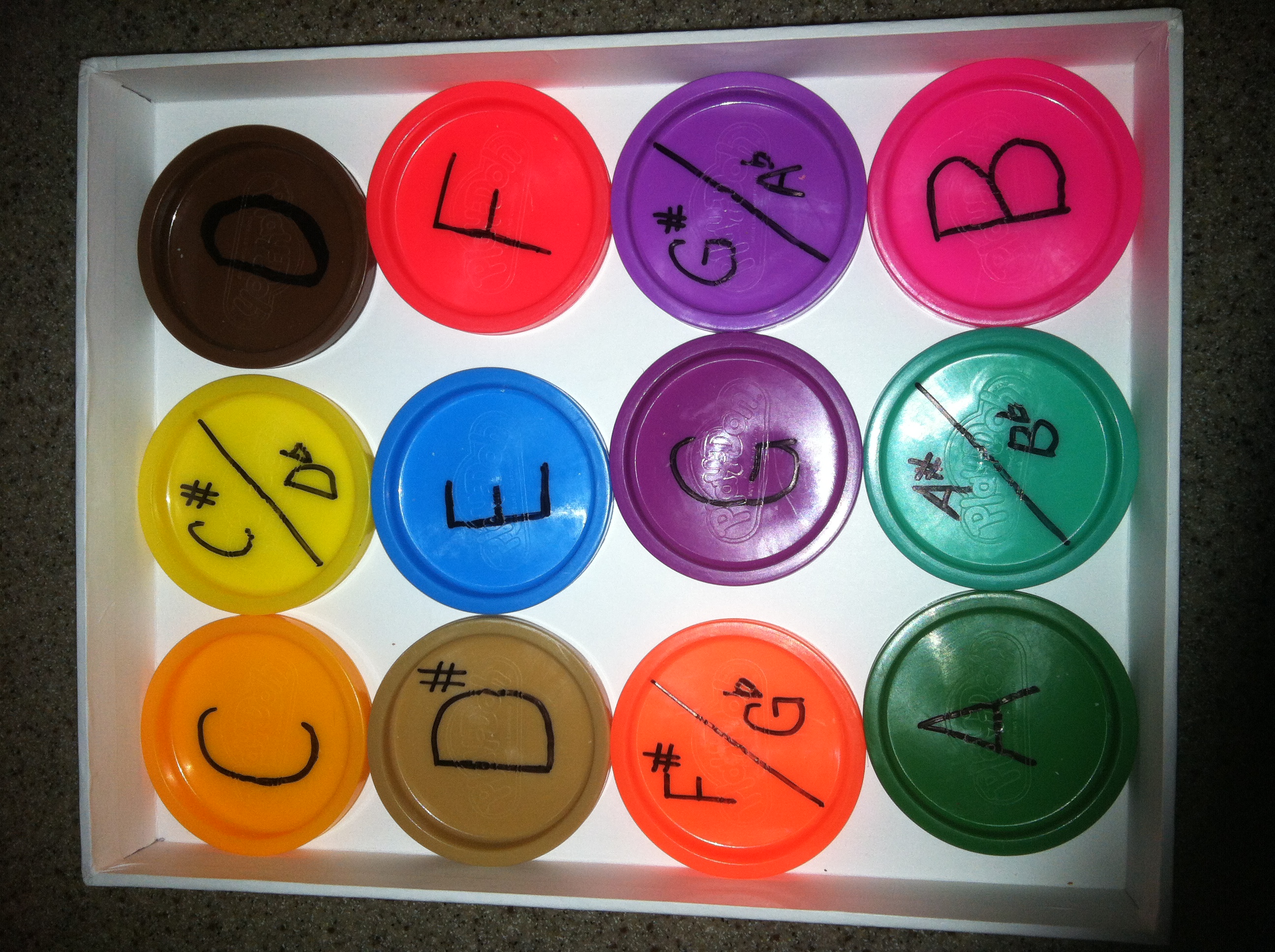
 A colorful representation of keyboard topography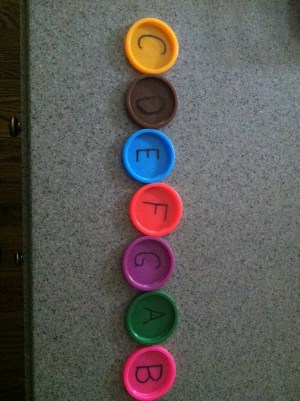


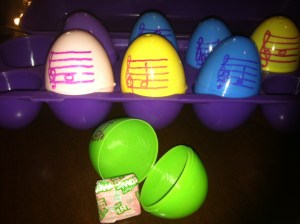 Here is a quick activity that can be used in the piano lesson or as a piano assignment to be done at home! To use it in the piano lesson, you will need 12 plastic eggs, a sharpie or other permanent marker, and some candy. On each egg draw a staff, add a treble clef or bass clef and draw a note. I used treble clef space notes since my students have been working on these lately. I also made one egg for each space note as a quarter note, half note, and whole note since some kids struggle to grasp the concept that ANY note can be a quarter note, half note, or whole note. You can have students hunt for the eggs around your studio or randomly pick one from an egg carton or Easter basket. If they can correctly identify the note and its value, they get to open the egg and keep the prize inside!
 Kids & Keys